
What is SoftWave Therapy?
What is SoftWave Therapy? Treatment, Benefits & Cost
Table of contents:
Chronic pain that doesn’t go away—even after rest or therapy—can be frustrating. Many patients are now turning to SoftWave therapy as a non-invasive solution that targets the root cause of pain.
SoftWave therapy is a non-invasive treatment that uses acoustic sound waves to stimulate healing, improve blood flow, and reduce inflammation.
In this guide, we cover how it works, expected results, cost, and whether it’s the right treatment option.Conditions like plantar fasciitis, knee pain, and soft tissue injuries can affect how you walk, exercise, or even sleep. Because of this, many patients are now searching for SoftWave therapy near me or shockwave therapy for plantar fasciitis near me as a non-invasive solution for long-term pain relief. SoftWave therapy is an advanced regenerative treatment that uses broad-focused acoustic waves to stimulate tissue regeneration, improve blood circulation, and promote the body’s natural healing process. At Clement Chiropractic in West Des Moines, this therapy is often combined with chiropractic care, spinal decompression, and red light therapy to help patients reduce pain and improve mobility.
Note:- Learn more about our SoftWave Therapy treatments in West Des Moines.
Because of this, many patients today look for treatments that support the body’s natural healing process rather than surgery or long-term medication. One treatment gaining attention in modern chiropractic and regenerative medicine is SoftWave therapy.
SoftWave therapy is a non-invasive treatment that uses broad-focused acoustic waves to stimulate healing within damaged tissue. By improving blood circulation and activating the body’s repair mechanisms, this therapy helps reduce inflammation and promote long-term pain relief.
Clinics across the United States, including chiropractic clinics in West Des Moines, Iowa, are using SoftWave therapy to treat musculoskeletal injuries and help patients improve mobility.
In this guide, you will learn:
What SoftWave therapy is
How SoftWave therapy works
The benefits of treatment
conditions treated with SoftWave therapy
SoftWave therapy cost
What patients experience during treatment
possible side effects and safety considerations
Quick Answer
SoftWave therapy is a non-invasive treatment that uses acoustic sound waves to stimulate healing, improve blood flow, and reduce inflammation.
Why is SoftWave Therapy Important?
Traditional treatments for chronic pain often focus on short-term symptom relief. Pain medication or injections may temporarily reduce pain but may not address the underlying soft tissue injury or inflammation.
SoftWave therapy offers a different approach. Instead of only masking symptoms, the treatment focuses on tissue regeneration and healing.
The therapy uses broad-focused acoustic waves that penetrate soft tissue and trigger biological healing responses. This stimulation can improve circulation, encourage cellular repair, and help reduce inflammation in injured areas.
Some of the most important benefits include:
improving blood circulation in damaged tissue
reducing inflammation that contributes to chronic pain
activating stem cells that assist with tissue regeneration
promoting healing of muscles, tendons, and ligaments
helping patients improve mobility and daily function
Many clinics combine SoftWave therapy with chiropractic adjustments and spinal decompression therapy to address both joint alignment and soft tissue healing.
Patients searching online for softwave therapy near me often find chiropractic clinics offering this advanced treatment for pain relief and injury recovery.
How SoftWave Therapy Works
SoftWave therapy works by delivering controlled acoustic waves into injured or inflamed tissue. These sound waves create mechanical stimulation that triggers biological healing processes within the body.
This process is called mechanotransduction, where mechanical energy is converted into cellular signals that activate tissue repair.
The Science Behind the Technology
SoftWave therapy devices generate shockwaves through an electrohydraulic system. Inside the device, a spark is created in water that forms a plasma bubble, which rapidly expands and collapses. This reaction produces a high-energy acoustic wave.
When the acoustic wave enters the body, it triggers several important biological effects:
improving blood circulation to injured tissue
activating stem cells involved in tissue regeneration
stimulating growth factors that support repair
reducing inflammation in damaged tissue
promoting new blood vessel formation
These responses allow the body to repair soft tissue injuries more effectively and reduce long-term pain.
Real Patient Example
A patient with chronic plantar fasciitis saw ~60% pain reduction after 4 sessions, with improved mobility and no downtime. Results may vary.
What Patients Experience During a SoftWave Therapy Session
Many patients choose SoftWave therapy because the treatment is quick, non-invasive, and comfortable.
A typical treatment session includes several steps.
1. Evaluation
Your chiropractor identifies the injured area and determines where the treatment should be applied.
Gel Application
A conductive gel is applied to help transmit acoustic waves from the SoftWave device into the body.
3. Treatment with the SoftWave Device
The provider moves the SoftWave device over the affected area while delivering controlled pulses of acoustic energy.
4. Patient Feedback
Patients may feel a tapping or pulsing sensation as the waves pass through the tissue. Energy levels can be adjusted to ensure comfort during treatment.
Most sessions last 10–15 minutes, making it a convenient option for patients with busy schedules.
Because the treatment is non-invasive, patients can typically return to normal daily activities immediately after the session.
SoftWave Therapy vs Shockwave Therapy
Many patients ask about the difference between SoftWave therapy and traditional shockwave therapy.
Both treatments use acoustic energy to stimulate healing, but the technology differs.
Traditional shockwave systems often focus energy on a small treatment point. These devices may only affect surface-level tissue.
SoftWave therapy uses broad-focused shockwaves, allowing the treatment to cover a larger treatment area and reach deeper tissue layers.
This difference provides several advantages:
broader treatment coverage
deeper tissue penetration
improved blood circulation in damaged areas
faster recovery for many patients
Because of these benefits, SoftWave therapy is often used for long-term pain relief and regenerative treatments.
Conditions Treated with SoftWave Therapy
SoftWave therapy is commonly used to treat many musculoskeletal injuries and chronic pain conditions.
Some common conditions treated include:
knee pain
plantar fasciitis
shoulder injuries and rotator cuff problems
chronic back pain
tendon injuries and tendinitis
sports injuries
soft tissue injury after accidents
muscle strain and inflammation
By improving blood circulation and stimulating tissue regeneration, SoftWave therapy helps reduce pain and improve mobility in patients recovering from these conditions.
SoftWave Therapy Cost
Many patients want to understand the SoftWave therapy cost before starting treatment.
The price can vary depending on several factors, including the clinic location, the severity of the condition, and the number of sessions required.
In many clinics across the United States, the cost of a SoftWave therapy session may range between $150 and $300 per visit.
Factors that affect treatment cost include:
size of the treatment area
number of sessions required
provider experience
additional therapies included in the treatment plan
Some clinics also offer treatment packages that reduce the cost for patients receiving multiple sessions.
Insurance coverage varies depending on the provider and the treatment condition.
SoftWave Therapy Side Effects and Safety
SoftWave therapy is considered a safe and non-invasive treatment when performed by trained healthcare professionals.
Most patients tolerate the treatment well.
Some patients may experience mild temporary effects such as:
minor soreness in the treated area
slight redness
temporary swelling
mild tenderness after treatment
These symptoms usually resolve within a short period.
Patients with certain medical conditions, such as bleeding disorders or infections in the treatment area, should consult their healthcare provider before starting therapy.
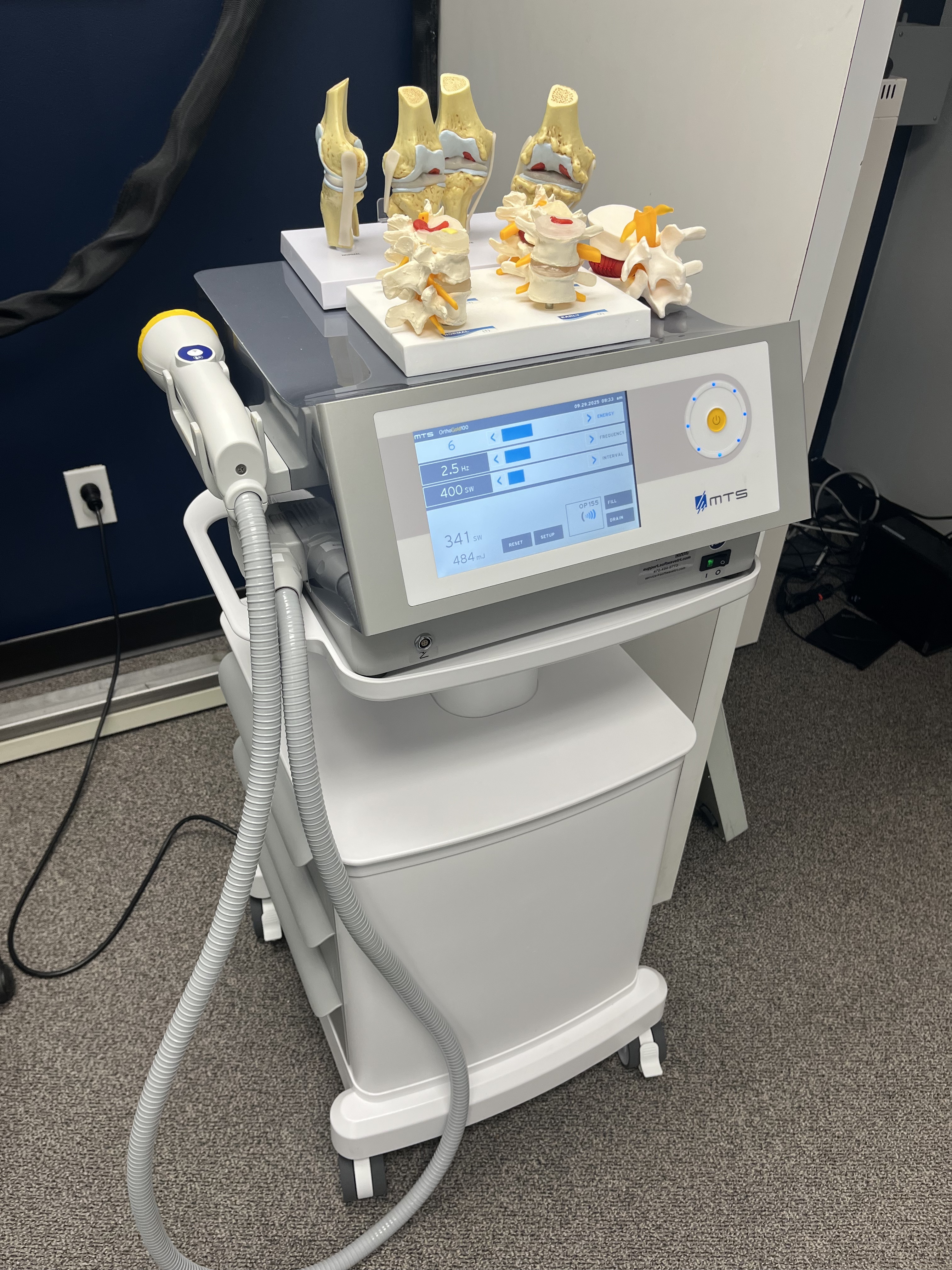
SoftWave Therapy Machines and Technology
SoftWave therapy is delivered using specialised medical devices designed for professional healthcare environments.
These machines generate high-energy acoustic waves capable of penetrating deep tissue layers and stimulating regenerative healing.
A professional SoftWave device typically includes:
an electrohydraulic shockwave generator
a water-based energy chamber
a parabolic reflector applicator
adjustable treatment intensity levels
These advanced systems allow providers to target injured areas and stimulate the body’s natural healing response more effectively.
Who Can Benefit from SoftWave Therapy?
SoftWave therapy may benefit a wide range of patients dealing with pain or limited mobility.
This treatment may help:
individuals living with chronic pain
athletes recovering from sports injuries
patients with tendon or ligament injuries
adults seeking non-invasive treatment options
patients looking to improve mobility without surgery
Many chiropractic clinics combine SoftWave therapy with chiropractic adjustments, spinal decompression, and red light therapy to provide comprehensive care.
SoftWave Therapy in West Des Moines, Iowa
Patients searching for softwave therapy near me may find treatment options at Clement Chiropractic in West Des Moines, Iowa.
Dr. Andrew Clement provides SoftWave therapy as part of a comprehensive treatment plan that may include:
chiropractic adjustments
spinal decompression therapy
red light therapy
regenerative soft tissue treatments
These therapies work together to help patients reduce pain, improve mobility, and support long-term healing.
Start Your SoftWave Therapy Treatment
If you are struggling with chronic pain or a soft tissue injury, SoftWave therapy may help activate the body’s natural healing process and provide long-term relief.
At Clement Chiropractic in West Des Moines, Dr Andrew Clement provides personalised treatment plans designed to reduce pain and improve function.
To learn more about SoftWave therapy or schedule an appointment:
Call Now: 1-515-224-9000
Website - clementchiropractic.com
Map link - https://share.google/iW56RR8xthQtBC4NV
Frequently Asked Questions
What is better, SoftWave or shockwave therapy?
Both treatments use acoustic waves to stimulate healing. SoftWave therapy uses broad focused waves, which may treat a larger tissue area and improve healing responses.
What is the downside of SoftWave therapy?
Most patients experience minimal side effects. Mild soreness or tenderness may occur after treatment, but usually resolves quickly.
How many sessions are needed?
Many patients receive three to six sessions, depending on the condition being treated.
Is SoftWave therapy safe?
Yes. When performed by trained healthcare professionals, SoftWave therapy is considered a safe, non-invasive treatment that promotes healing and reduces pain.
About the Author
Dr. Andrew Clement is a chiropractor with over 15 years of clinical experience helping patients manage pain and improve mobility. At Clement Chiropractic in West Des Moines, Iowa, he provides treatments including chiropractic adjustments, spinal decompression therapy, SoftWave therapy, and red light therapy to support the body’s natural healing and long-term wellness.

MAP
Contact Info
Hours of Operation
- Monday 8:00 AM - 6:00 PM
- Tuesday 2:00 PM - 6:00 PM
- Wednesday 8:00 AM - 4:00 PM
- Thursday 2:00 PM - 6:00 PM
- Friday 7:00 AM - 1:00 PM
- Saturday Closed
- Sunday Closed
© 2026 Clement Chiropractic. All rights Reserved. Accessibility Statement - Privacy Policy - Sitemap
Powered by:
